Today’s internet content creators live and die on user engagement. Clicks, likes, and shares rule our world.
We need daily content that attracts viewers.
Creating images or videos is not easy. It requires skill, equipment, and time.
What should bloggers do if they seek clicks but lack the time or skill to create images that will entice their audience?
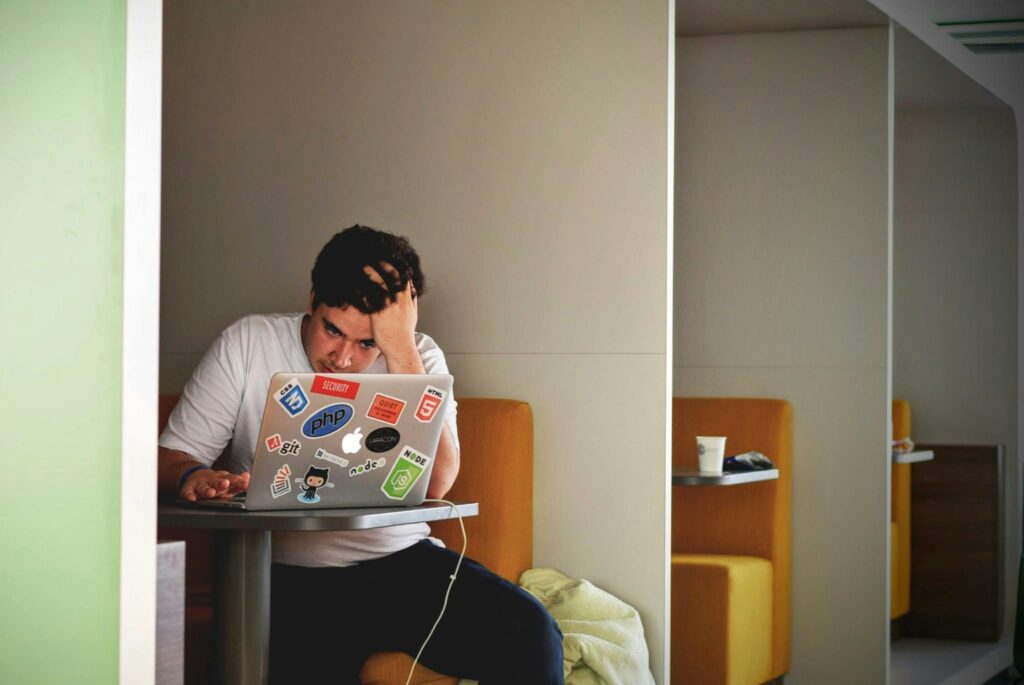
You can always create your content, but it takes time and skills that you may not.
Let’s examine these three options and see the best ethical and affordable option for online creators.
The serrano is this: the pressure to engage with our media, content creators, and bloggers is sometimes forced to post images that create controversy and stir emotions. There is no more straightforward source of controversy than politics and protesters, and no lower-hanging fruit than an image of the American Flag upside-down at a protest.
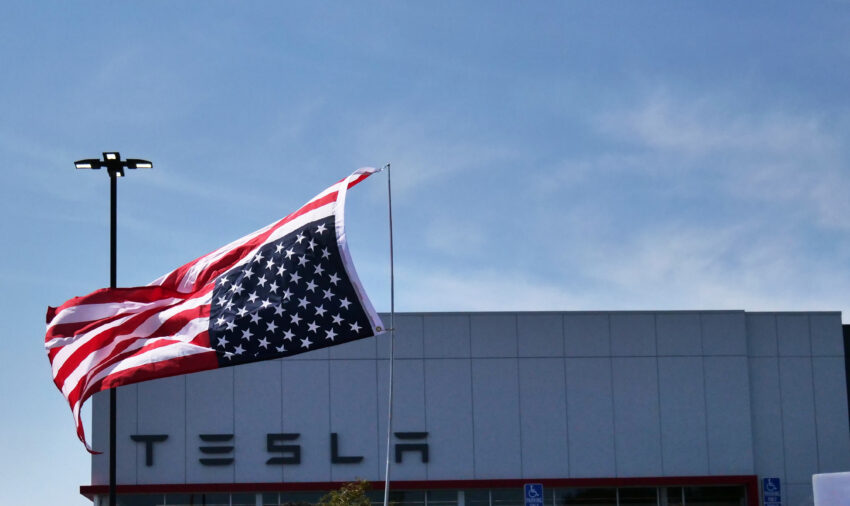
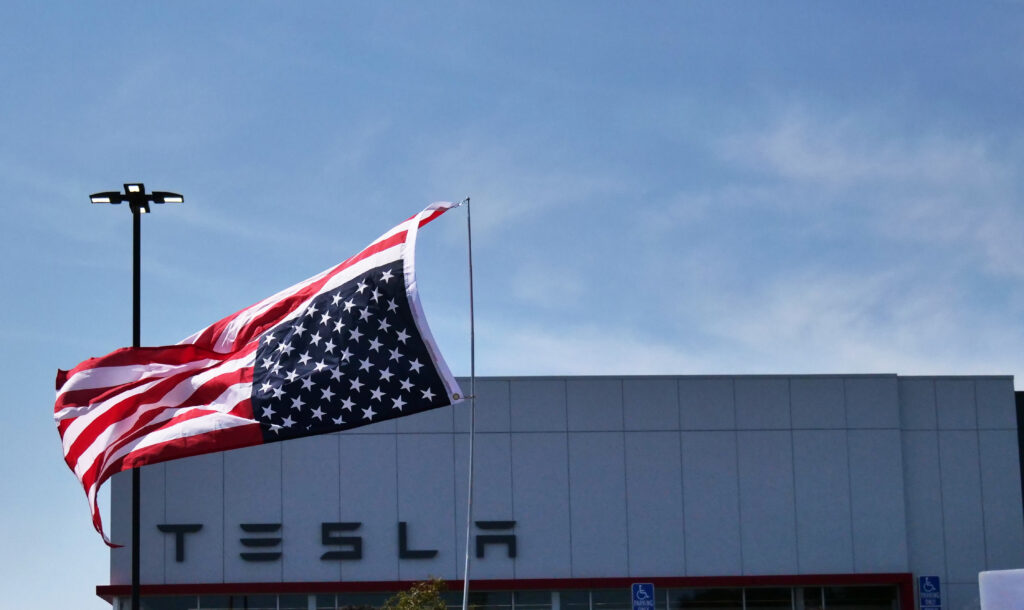
- Create the image yourself. Two weeks ago, I took a picture at a ‘Tesla Takedown’ protest in my local community. The photo shows a protester waving the American flag before a Tesla Dealership. Depending on their political side, viewers can see the image as disrespectful or relatable, but both interpretations will engage them.
But what if no one is waving upside-down flags around or protests to cover, and my audience wants me to weigh in on this issue? Well, you can:
- Obtain an image from a stock photo site. Sites like Flickr, Pexels, or Wikimedia allow content creators to use pictures and videos for free, provided they give proper attribution. What does proper attention look like? Let’s return to our flag example again. We need an image, so we go to Flickr and look for an upside-down American flag protest. We then
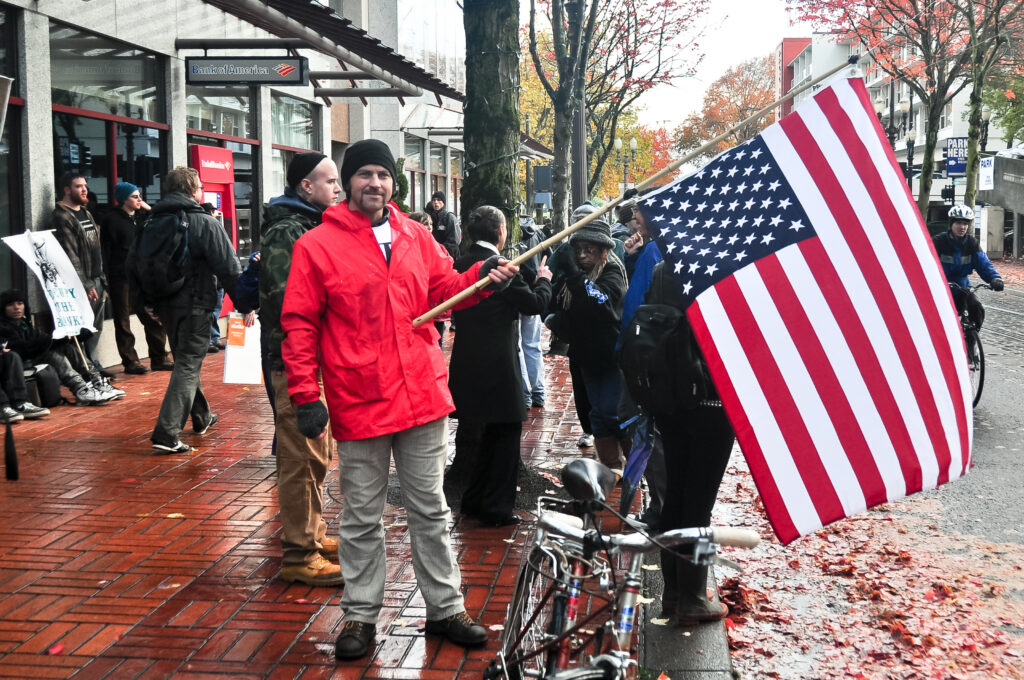
- Attribution will look like this: Man holds upside-down American flag as a sign of distress at shut-down Bank of America, by Igal Koshevoy, is licensed under CC BY 4.0
- If you follow this format, the image should have no legal issues. It is common for people to make small mistakes called “copyleft trolling” by not following best practices, which can lead to legal problems.
What if you do not want to go to all of the trouble of finding stock images and attribution and just want to have an image that fits your needs instantly.
- Generative AI: There are many ethical questions surrounding AI and the use of images created by these tools. The images may come with unknown copyright issues, and they can deceive viewers into thinking they are real, jeopardizing your credibility.However, we need an image for our blog, so let’s do this.
- We will use OpenAI’s Dall-E, which works through ChatGPT.
ChatGPT needs a prompt to create, so we will try to create a close replica of the stock image.

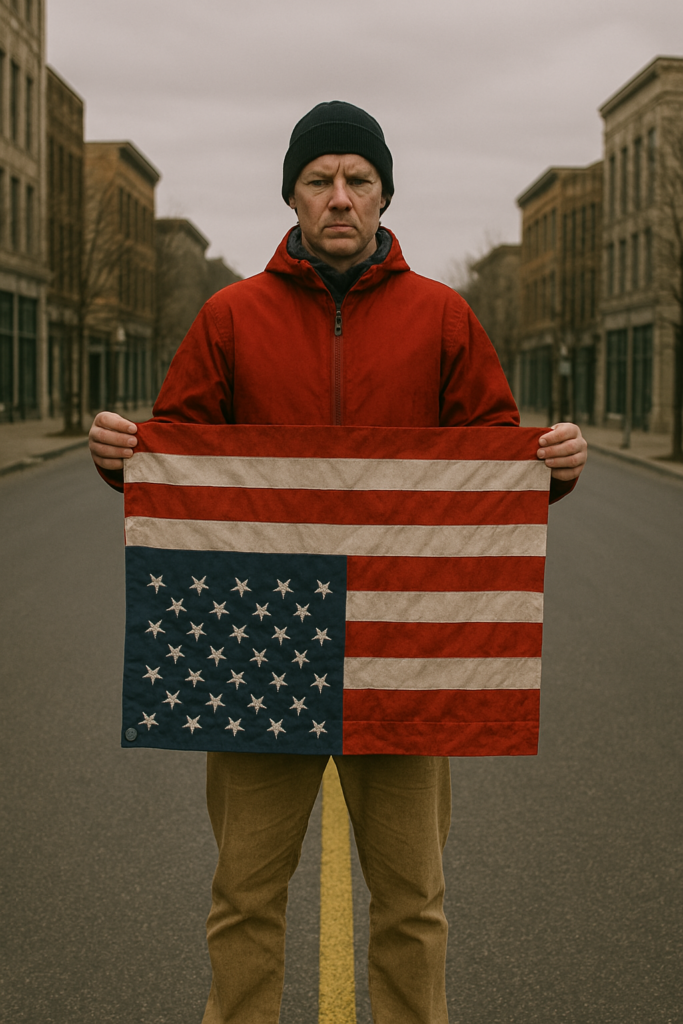
We get this somewhat realistic-looking image that we can use for our blog. But the question arises: how do we attribute it? Are we the creators, so we don’t have to, or is the AI tool the creator? Also, what if people think the image is real, and what are the ethical issues surrounding that?
APA style guide states that text from AI should look like this:

But there is no standard listed for images. I believe it is best practice to state that the image was created by AI and to list the tool used.
What are your feelings on AI and image citation feel free to leave comments in the chat
Until next time.